
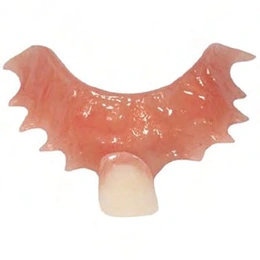
Tooth loss affects more people than most realize. Whether caused by injury, decay, or gum disease, missing teeth create challenges that go far beyond appearance. Why dental implants have become the preferred solution is a question worth exploring — and the answer lies in their lasting strength, natural feel, and long-term value.
Patients across communities like Clyde Hill, WA are increasingly asking their dentists about implant options. They want results that look and function like natural teeth. Fortunately, today’s dental implant technology makes that goal more achievable than ever.
At Dentek Digital, our Phoenix-based digital dental lab works directly with dentists and dental practices to fabricate high-quality implant restorations. We use advanced CAD/CAM technology to deliver precise, reliable components that support better patient outcomes.
What Are Dental Implants?
Dental implants are titanium posts placed into the jawbone to replace missing tooth roots. Over time, the bone fuses with the post in a process called osseointegration. This creates a stable, permanent foundation for a crown, bridge, or denture.
The implant itself is not visible once placed. What patients see is the restoration on top — typically a crown designed to match surrounding teeth. Therefore, the result looks and feels remarkably natural.
How the Restoration Is Made
The crown or restoration that attaches to an implant is fabricated by a dental lab. At Dentek Digital, we use CAD/CAM — computer-aided design and manufacturing — to mill or print these restorations with exceptional accuracy. This technology allows us to match shape, color, and bite function precisely.
Additionally, our digital workflow reduces errors that can occur with traditional impressions. As a result, dentists receive restorations that fit correctly the first time, minimizing adjustments and chair time.
Why Dental Implants Are the Leading Choice for Tooth Replacement
There are several tooth replacement options available today. However, dental implants consistently stand out for a number of important reasons. Patients and dentists alike recognize their advantages over traditional bridges and removable dentures.
They Function Like Natural Teeth
Implants are anchored directly into the jawbone. Because of this, they provide biting and chewing strength comparable to natural teeth. Patients can eat, speak, and smile with confidence.
On the other hand, dentures can shift or slip during use. Bridges require altering adjacent healthy teeth. Implants avoid both of these drawbacks entirely.
They Support Long-Term Bone Health
When a tooth is lost, the jawbone beneath it begins to shrink over time. This process is called bone resorption. Moreover, it can change the shape of the face and affect how remaining teeth align.
Dental implants stimulate the jawbone just like natural tooth roots do. Furthermore, this stimulation helps preserve bone density and facial structure. It is one of the most significant long-term benefits implants offer.
They Are Built to Last
With proper care, dental implants can last for many years — often a lifetime. The titanium post is highly durable and biocompatible. Meanwhile, the restoration on top can be replaced if needed, without disturbing the implant itself.
Traditional bridges and dentures typically require replacement or repair more frequently. Therefore, implants often provide better long-term value, even if the initial investment is higher.
The Role of the Dental Lab in Implant Success
Many patients focus on the surgical side of dental implants. However, the restoration fabricated by the dental lab is equally important to the final outcome. A poorly fitting crown or bridge can compromise comfort, function, and aesthetics.
At Dentek Digital, we are one of the earliest adopters of the digital CAD/CAM workflow in the country. Our Phoenix lab fabricates implant restorations with a level of precision that traditional methods simply cannot match. We partner with dental professionals across the Greater Phoenix area — including practices in Mesa, Tempe, Scottsdale, and Chandler — to support their patients with the best possible outcomes.
Digital Implant Planning
We also offer advanced digital implant planning services. This process uses digital imaging and software to map out implant placement before surgery begins. As a result, dentists can plan with greater accuracy and predictability.
Digital implant planning also helps communicate the treatment plan clearly to patients. In addition, it supports better collaboration between the surgeon, restorative dentist, and lab. This teamwork leads to smoother cases and more consistent results.
CAD/CAM Restorations for Implants
Our CAD/CAM workflow produces implant crowns, bridges, and full-arch restorations with outstanding fit and aesthetics. We work with a range of high-quality materials, including zirconia and layered ceramics. Therefore, dentists can offer patients both strength and natural-looking beauty.
Every restoration we produce goes through a rigorous quality review. We take pride in combining advanced technology with skilled craftsmanship. That combination is what sets Dentek Digital apart as a national leader in digital dentistry.
If you are a dentist looking to elevate your implant cases, we invite you to contact Dentek Digital and explore what our digital lab can do for your patients.
Who Is a Good Candidate for Dental Implants?
Not every patient is an immediate candidate for dental implants. However, many people who assume they are not eligible are surprised to learn otherwise. Dentists evaluate several factors before recommending implants.
Key Factors Dentists Consider
- Bone density: Adequate jawbone is needed to support the implant post. Bone grafting can help patients who have experienced some bone loss.
- Gum health: Healthy gums are essential for implant success. Active gum disease must be treated first.
- Overall health: Certain medical conditions or medications may affect candidacy. A thorough health review is part of the evaluation.
- Oral hygiene habits: Patients who commit to good home care and regular checkups tend to have better implant outcomes.
- Non-smoking status: Smoking can interfere with healing. Dentists may advise patients to quit before and after implant placement.
First, a dentist will conduct a comprehensive exam. Then, they will review imaging and discuss options. Finally, a treatment plan is developed that fits the patient’s specific needs and timeline.
Dental Implants and the Digital Dentistry Advantage
Digital dentistry has transformed how implant cases are planned and executed. From intraoral scanning to computer-guided surgery and digital lab fabrication, every step has become more precise. Additionally, turnaround times have improved significantly compared to traditional methods.
Dentists in communities throughout the Greater Phoenix area — including Gilbert, Scottsdale, Tempe, and Mesa — are embracing digital workflows to serve their patients better. Dentek Digital is proud to be the lab partner supporting many of these practices.
Faster Turnaround Without Sacrificing Quality
Our digital workflow at Dentek Digital allows us to produce restorations efficiently. Because of this, patients spend less time waiting between appointments. Moreover, the precision of CAD/CAM fabrication means fewer remakes and adjustments.
Speed and accuracy together create a better experience for both dentists and patients. That is the promise of digital dentistry — and it is one we work to deliver every day.
Frequently Asked Questions About Dental Implants
How long does the dental implant process take?
The timeline varies by patient. However, the process typically spans several months from implant placement to final restoration delivery. Healing time and bone integration affect the overall schedule.
Are dental implants painful?
Most patients report that the procedure is more comfortable than expected. Local anesthesia is used during placement. Post-procedure discomfort is generally manageable with over-the-counter or prescribed medication.
How do I care for dental implants?
Implants require the same care as natural teeth. Brush twice daily, floss regularly, and attend routine dental checkups. Additionally, avoid habits like grinding or chewing ice, which can damage any restoration.
Can implants support multiple missing teeth?
Yes. Implants can support single crowns, implant-supported bridges, or full-arch restorations. Therefore, they are a versatile solution for patients missing one tooth or many.
What makes a digital lab restoration better for implants?
Digital fabrication produces restorations with exceptional accuracy. As a result, they fit more precisely on the implant abutment. This reduces stress on surrounding tissues and supports long-term stability.
Partner With Dentek Digital for Exceptional Implant Restorations
Dental implants represent one of the most significant advancements in modern dentistry. They restore function, preserve bone, and deliver results that patients can feel confident about for years to come. Furthermore, the technology behind implant restorations continues to improve — and Dentek Digital is at the forefront of that progress.
We serve dental practices across the Greater Phoenix area, including Chandler, Gilbert, Mesa, Tempe, and Scottsdale. Our team brings together cutting-edge CAD/CAM technology and experienced craftsmanship to fabricate restorations that perform beautifully.
If you are a dentist looking to improve your implant workflow or explore digital lab services, we are ready to help. Reach out to the Dentek Digital team today to discuss your next case and discover what precision digital dentistry can do for your practice and your patients.