
Choosing between implants vs dentures is one of the most important decisions a patient can make about their oral health. Both options restore function and appearance after tooth loss. However, they differ significantly in how they work, how they feel, and how they are fabricated.
At Dentek Digital, we work closely with dentists across the Greater Phoenix, Arizona area to deliver high-quality dental restorations. We use advanced CAD/CAM technology to support precise, reliable outcomes for patients in communities like Mesa, Scottsdale, Chandler, and Gilbert. Understanding the difference between implants and dentures helps dental professionals guide their patients toward the right solution.
This guide breaks down everything you need to know. We cover how each option works, the role of digital dentistry in fabrication, and how dental labs like ours support better patient outcomes.
What Are Dental Implants?
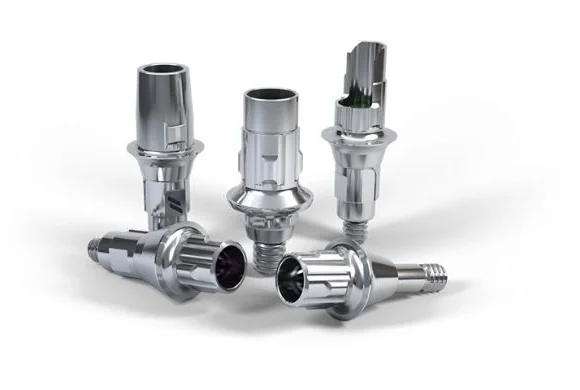
Dental implants are titanium posts that a dentist surgically places into the jawbone. They act as artificial tooth roots. Over time, the bone fuses with the implant in a process called osseointegration. After healing, a crown or bridge is attached to the implant.
Implants are a fixed restoration. That means they stay in place permanently and function much like natural teeth. Patients can eat, speak, and smile with confidence. Additionally, implants help preserve bone density in the jaw, which is a major long-term benefit.
Types of Implant Restorations
Implants can support several types of restorations. A single crown replaces one missing tooth. An implant-supported bridge replaces multiple teeth in a row. Furthermore, implant-supported dentures can replace a full arch of teeth while staying firmly anchored to the jaw.
At Dentek Digital, we fabricate implant crowns, bridges, and overdentures using our digital CAD/CAM workflow. This ensures precise fit and excellent aesthetics. We also offer advanced digital implant planning services to support better surgical and restorative outcomes for dentists and their patients.
What Are Dentures?
Dentures are removable appliances that replace missing teeth. They rest on the gum tissue and, in some cases, attach to remaining natural teeth. There are two main types: full dentures and partial dentures.
Full dentures replace all teeth in an arch. Partial dentures fill gaps when some natural teeth remain. Both options are more affordable upfront compared to implants. However, they require more daily maintenance and may feel less stable over time.
How Digital Technology Improves Dentures
Traditional denture fabrication relied heavily on manual processes. Today, digital workflows have transformed denture quality. CAD/CAM technology allows labs to design and mill dentures with exceptional accuracy. As a result, modern dentures fit better and look more natural than ever before.
Dentek Digital uses advanced digital tools to fabricate high-quality removable restorations for dental practices across Phoenix and surrounding areas. Our process reduces chair time, improves fit, and gives patients a more comfortable experience. We serve dentists in Scottsdale, Gilbert, Mesa, and beyond with this same level of precision.
Implants vs Dentures: Key Differences
When comparing implants vs dentures, there are several important factors to consider. These include stability, longevity, bone health, cost, and care requirements. Each factor matters differently depending on the patient’s needs and clinical situation.
Stability and Comfort
Implants offer superior stability. Because they anchor directly into the bone, they do not shift or slip. On the other hand, conventional dentures can move during eating or speaking. This can cause discomfort and affect confidence.
Implant-supported dentures offer a middle ground. They combine the coverage of full dentures with the anchoring power of implants. Therefore, patients who are not candidates for individual implants may still benefit from this option.
Bone Preservation
Tooth loss leads to bone resorption over time. Implants stimulate the jawbone the way natural tooth roots do. This helps maintain bone volume and facial structure. Dentures, however, do not provide this stimulation. Because of this, patients with dentures may experience changes in facial appearance over time as bone gradually diminishes.
Longevity and Maintenance
Implants are designed to last for many years with proper care. They require brushing and flossing like natural teeth. Dentures, meanwhile, need to be removed for cleaning and soaking. They may also need relining or replacement as the shape of the gums and bone changes over time.
Cost Considerations
Implants typically involve a higher upfront investment than dentures. However, their long lifespan often makes them cost-effective over time. Dentures cost less initially but may incur ongoing costs for maintenance, relining, and eventual replacement. Dentists should help patients weigh both short-term and long-term financial factors.
Who Is a Good Candidate for Each Option?
Not every patient is a candidate for implants. Good candidates generally have adequate bone volume, healthy gum tissue, and no uncontrolled systemic conditions that could affect healing. Patients who smoke or have certain health conditions may face additional considerations.
Dentures are often recommended for patients who need a faster, more accessible solution. They work well for patients with significant bone loss, those who prefer a non-surgical option, or those for whom implants are not clinically appropriate. Furthermore, partial dentures are ideal when some healthy natural teeth remain.
The Role of Digital Implant Planning
Digital implant planning is an advanced service that helps dentists place implants with greater precision. Using 3D imaging and digital design tools, clinicians can map out the ideal implant position before surgery. As a result, the process becomes more predictable. Dentek Digital offers digital implant planning as part of our comprehensive lab services, supporting dentists throughout the Phoenix metropolitan area.
How Dentek Digital Supports Implant and Denture Cases
Dentek Digital is a nationally recognized leader in digital dentistry. We were among the earliest adopters of the CAD/CAM workflow in the country. Our lab fabricates a full range of dental restorations, including fixed restorations, removables, implant restorations, and splints and nightguards.
We partner with dental professionals across Greater Phoenix, including practices in Chandler, Mesa, Gilbert, and Scottsdale. Our goal is to support better patient outcomes through precision fabrication and a seamless digital workflow. Additionally, we offer TattooTH, an advanced service that adds unique patient identification to removable appliances — a valuable feature for long-term care settings.
Sending a Case to Our Lab
Working with Dentek Digital is straightforward. Dentists can submit digital scans directly to our lab. We review each case carefully and fabricate the restoration using our advanced CAD/CAM technology. Moreover, our team is available to discuss case-specific needs to ensure the best possible outcome.
Whether you are restoring a single implant or fabricating a full-arch denture, our digital workflow delivers consistent, high-quality results. We support practices of all sizes across the Phoenix area with the same commitment to excellence.
Frequently Asked Questions: Implants vs Dentures
Are dental implants always better than dentures?
Not necessarily. Implants offer significant advantages in stability and bone preservation. However, they are not right for every patient. Dentures remain an excellent option for many individuals, especially when implants are not clinically indicated. The best choice depends on each patient’s unique health, anatomy, and goals.
Can dentures be converted to implant-supported dentures later?
In many cases, yes. Patients who start with conventional dentures may later transition to implant-supported dentures if they develop adequate bone support and meet implant candidacy criteria. Therefore, starting with dentures does not necessarily close the door to implants in the future.
How does digital technology improve implant restorations?
Digital technology allows labs to design and mill implant crowns and abutments with exceptional precision. CAD/CAM fabrication reduces human error and improves fit accuracy. As a result, patients experience better comfort and longer-lasting restorations. Dentek Digital uses this technology on every implant case we fabricate.
How long does it take to receive a restoration from Dentek Digital?
Turnaround times vary depending on the type of restoration and the complexity of the case. Our digital workflow is designed to be efficient without sacrificing quality. We work with dental practices across Phoenix, Scottsdale, and the surrounding area to meet their scheduling needs. Contact our team for case-specific timing details.
What makes Dentek Digital different from other dental labs?
Dentek Digital combines cutting-edge digital technology with skilled craftsmanship. We were one of the first labs in the country to adopt the full CAD/CAM workflow. Additionally, we offer advanced services like digital implant planning and TattooTH that most traditional labs do not provide. Our commitment to quality and innovation sets us apart.
Partner with Dentek Digital for Your Implant and Denture Cases
Whether your patients need implants, dentures, or implant-supported restorations, Dentek Digital is here to help. We bring precision, technology, and craftsmanship to every case we fabricate. Our lab proudly supports dental practices across the Greater Phoenix area, including communities in Mesa, Chandler, Gilbert, and Scottsdale.
When you are ready to take your restorative cases to the next level, contact Dentek Digital and let our team support you with the highest quality digital dental lab services available today.