
Choosing between implants vs dentures is one of the most important decisions a patient can make about their oral health. Both options restore missing teeth and improve quality of life. However, they work very differently — and the right choice depends on many individual factors.
For dental professionals across the Greater Phoenix area, including communities like Mesa, Scottsdale, Chandler, and Gilbert, understanding these two options helps you guide patients toward the best outcome. At Dentek Digital, we fabricate high-quality dental restorations using advanced CAD/CAM technology to support your clinical decisions.
This guide breaks down the key differences between dental implants and dentures. Therefore, whether you are a dentist or a patient exploring options, you will find clear, practical information here.
What Are Dental Implants?
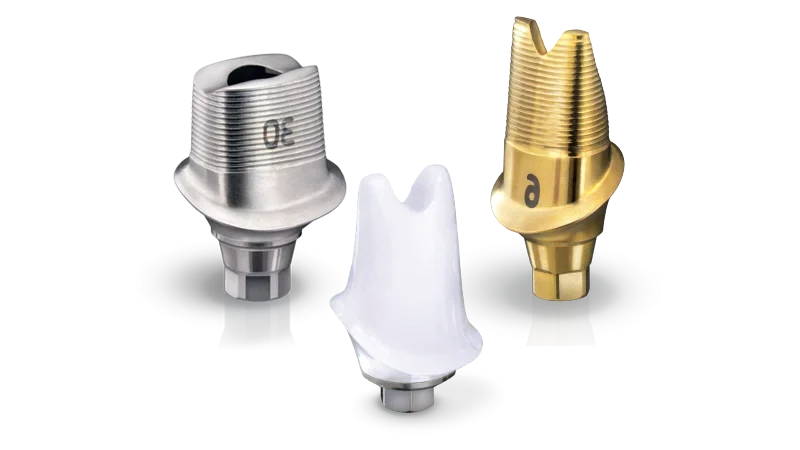
Dental implants are titanium posts placed into the jawbone. They act as artificial tooth roots. On top of each post, a crown, bridge, or other restoration is attached to restore the tooth’s appearance and function.
Implants are a long-term solution. Additionally, they help preserve jawbone density over time. This is a key advantage that dentures do not offer.
How Implants Are Made Today
Modern implant restorations are fabricated using digital CAD/CAM workflows. This means restorations are designed on a computer and milled or printed with exceptional precision. As a result, fit, function, and aesthetics are all significantly improved compared to older methods.
At Dentek Digital, we specialize in implant restorations designed through a fully digital process. We also offer advanced digital implant planning to support dentists before and during the surgical phase. This service helps practices in Mesa, Tempe, and across the Phoenix metro deliver more predictable outcomes.
Types of Implant Restorations
- Single-tooth implants: Replace one missing tooth with a crown on an implant post.
- Implant-supported bridges: Replace multiple adjacent teeth without individual implants for each tooth.
- Implant-supported dentures: Secure a full arch of teeth using several strategically placed implants.
- All-on-4 or full-arch restorations: Restore an entire arch using as few as four implant posts.
Each type requires precise laboratory fabrication. Furthermore, digital workflows make each restoration more accurate and efficient than ever before.
What Are Dentures?
Dentures are removable prosthetic devices that replace missing teeth. They rest on the gum tissue and, in some cases, the underlying bone. Traditional dentures come in two main forms: full and partial.
Full dentures replace an entire arch of teeth. Partial dentures fill gaps when some natural teeth remain. Both types are custom-made to fit each patient’s mouth.
How Dentures Are Made Today
Digital technology has transformed denture fabrication too. Today, many dental labs — including Dentek Digital — use digital workflows to design and mill dentures with greater precision. This results in a better fit, improved comfort, and enhanced aesthetics compared to traditional methods.
Digital dentures are also easier to reproduce if a patient loses or damages their prosthetic. Because of this, practices in Chandler, Gilbert, and Scottsdale are increasingly moving toward digital denture solutions.
Types of Dentures
- Conventional full dentures: Placed after all teeth are removed and tissues have healed.
- Immediate dentures: Delivered the same day as extractions for temporary use.
- Partial dentures: Fill gaps among remaining natural teeth.
- Implant-supported dentures: Snap or lock onto implants for added stability.
Moreover, removable dentures require regular cleaning and may need periodic relining as the jawbone changes shape over time.
Implants vs Dentures: Key Differences
Now that we have covered the basics, let’s compare these two options side by side. This will help dental professionals explain the differences clearly to patients.
Stability and Function
Implants are fixed in place. They function much like natural teeth. On the other hand, traditional dentures can shift or slip, especially over time as the gum tissue changes.
Patients with implants typically chew and speak more confidently. Additionally, implants do not require adhesives or special removal routines. This is a major quality-of-life benefit for many patients.
Bone Preservation
One of the biggest differences in the implants vs dentures conversation is bone health. Implants stimulate the jawbone just like natural tooth roots. Therefore, they help prevent the bone loss that commonly occurs after tooth extraction.
Dentures do not provide this stimulation. As a result, patients who wear dentures long-term may experience noticeable changes in facial structure over time. This is why many dental professionals consider implants a superior long-term solution when patients are good candidates.
Maintenance and Care
Implants are cared for just like natural teeth — with regular brushing, flossing, and professional cleanings. They do not require removal at night. Furthermore, there is no need for soaking solutions or adhesives.
Dentures require daily removal and cleaning. They also need periodic adjustments or relining as the mouth changes. However, denture care routines are straightforward and manageable for most patients.
Treatment Timeline
The implant process takes longer than getting dentures. It involves surgery, a healing period, and then restoration placement. This process can take several months from start to finish.
Dentures, meanwhile, can often be delivered more quickly. Immediate dentures, for example, can be placed the same day as extractions. For patients who need a faster solution, dentures may be the more practical first step.
Patient Candidacy
Not every patient is a good candidate for implants. Sufficient bone density, good overall health, and non-smoking status all improve implant success. Additionally, some medical conditions may affect healing and integration.
Dentures are generally accessible to a wider range of patients. They do not require surgery and are suitable for patients who may not qualify for implants. However, patients should still have a thorough evaluation before any restorative treatment.
How Digital Technology Is Changing Both Options
Digital dentistry has elevated both implant restorations and dentures to a new level of precision. CAD/CAM technology — which stands for computer-aided design and computer-aided manufacturing — allows dental labs to create restorations with remarkable accuracy.
At Dentek Digital, we were among the earliest adopters of the digital CAD/CAM workflow in the country. We combine this technology with skilled craftsmanship to deliver restorations that meet the highest standards. As a result, dentists across Phoenix, Mesa, Tempe, and beyond can offer their patients better outcomes.
The Role of the Dental Lab
The dental lab is a critical partner in both implant and denture cases. The lab receives case information — often including digital scans — and fabricates the restoration to exact specifications. Therefore, the quality of the lab directly impacts the quality of the final result.
Dentek Digital offers a full range of restorative solutions, including fixed restorations, removables, implant restorations, and more. We also provide TattooTH, an advanced digital service for unique patient identification in removable prosthetics. This kind of innovation reflects our commitment to supporting dental professionals at every level.
Digital Implant Planning
One of our most powerful advanced services is digital implant planning. This process uses 3D imaging and digital planning software to map out implant placement before surgery. As a result, dentists can place implants with greater confidence and precision.
Digital implant planning reduces guesswork and improves communication between the surgical team and the lab. Furthermore, it supports more predictable prosthetic outcomes — which benefits both the practice and the patient.
Frequently Asked Questions: Implants vs Dentures
Are implants always better than dentures?
Not necessarily. Implants offer advantages in stability and bone preservation. However, they are not suitable for every patient. Dentures remain an effective and widely used solution. The best choice depends on each patient’s health, bone density, and personal preferences.
Can a patient switch from dentures to implants later?
In many cases, yes. However, long-term denture wear can lead to bone loss that complicates implant placement. Therefore, a thorough evaluation — including 3D imaging — is essential before transitioning. Bone grafting may be needed in some cases.
How do implant-supported dentures differ from traditional dentures?
Implant-supported dentures attach to implant posts for added stability. They do not shift or slip like traditional dentures. Additionally, they provide some degree of bone stimulation. They are a popular middle-ground option for patients who want more stability without full individual implants.
How long do implants and dentures last?
With proper care, implants can last many years — often decades. The implant post itself is designed to be permanent. Dentures typically need relining or replacement over time as the mouth changes. Digital dentures can be reproduced more easily because the design file is saved digitally.
How does a dental lab support implant and denture cases?
The dental lab fabricates the restorations based on the dentist’s case submission. For implant cases, the lab creates the crown, bridge, or full-arch prosthetic. For denture cases, the lab designs and mills or processes the prosthetic. A high-quality lab — like Dentek Digital — ensures each restoration meets precise specifications for fit, function, and aesthetics.
Partnering With Dentek Digital for Implant and Denture Cases
Whether your practice focuses on implants, dentures, or both, having the right lab partner makes all the difference. At Dentek Digital, we support dental professionals across the Greater Phoenix area with digital-first fabrication and expert craftsmanship.
Our digital workflow streamlines every case — from scan to delivery. Furthermore, our team is always available to discuss complex cases and help you choose the right restoration approach. We work closely with practices in Scottsdale, Mesa, Chandler, Gilbert, and throughout the Phoenix metro.
Ready to elevate your restorative cases? Contact Dentek Digital today to send us a case or explore how our digital lab services can support your practice and your patients.