
Understanding dental implants cost is one of the most common questions patients ask their dentists. Whether you are in Helena, AL or working with a dental practice anywhere in the country, the pricing of implant restorations depends on many moving parts. It helps to know what drives those costs before making any decisions.
For dental professionals, the lab side of implant restorations plays a major role in both quality and cost. Therefore, choosing the right dental lab partner matters more than most dentists realize. A high-quality digital workflow can actually improve outcomes while managing costs effectively.
At Dentek Digital, we work with dentists and dental practices across the Greater Phoenix, Arizona area — including Mesa, Chandler, Scottsdale, and Gilbert. Additionally, we serve practices nationwide as a recognized leader in digital CAD/CAM dental restorations. In this post, we break down what shapes dental implant costs and how digital dentistry plays a key role.
What Factors Influence Dental Implants Cost?
Dental implant pricing is not one-size-fits-all. In fact, several variables stack together to create the final cost a patient sees. Understanding these factors helps both patients and dental professionals set realistic expectations.
Furthermore, the type of restoration placed on top of the implant significantly affects overall pricing. The implant fixture is only one piece of the puzzle. The crown, abutment, and lab work all contribute to the total.
The Implant Fixture Itself
The implant body is the titanium post placed into the jawbone. Different implant systems carry different price points. However, the brand and design of the fixture are choices made at the clinical level, not the lab level.
Meanwhile, the quality of the implant system matters for long-term outcomes. Dentists typically choose systems they trust and have trained with extensively. As a result, patients in different offices may receive different implant brands at different price tiers.
The Implant Crown and Abutment
The crown and abutment are where the dental lab comes in. These are the components that Dentek Digital fabricates using advanced CAD/CAM technology. Moreover, the materials chosen — such as zirconia, PFM, or titanium — directly affect the cost of the restoration.
Digital fabrication improves precision and fit. Therefore, digitally milled restorations often require fewer adjustments at chairside. This saves time and reduces the chance of remakes, which ultimately benefits both the dentist and the patient.
Number of Implants Required
A single-tooth implant costs less than a full-arch restoration. On the other hand, full-arch solutions like implant-supported dentures involve more components and more lab work. Because of this, patients replacing multiple teeth should expect a wider cost range.
Additionally, bone grafting or sinus lifts may be needed before implant placement. These are surgical procedures that add to the overall treatment cost. However, they are sometimes necessary to ensure implant success.
How Digital Dentistry Affects Implant Restoration Costs
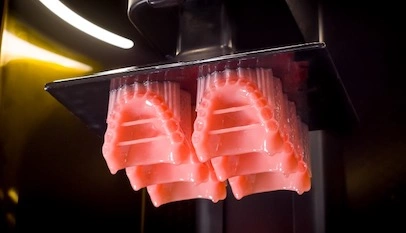
Digital dentistry has changed the way dental labs produce implant restorations. First, digital scanning eliminates traditional impressions. Next, CAD software designs the restoration with exceptional accuracy. Then, milling machines fabricate the component from a high-quality material block.
This workflow reduces human error and material waste. Furthermore, it speeds up turnaround time compared to older analog methods. As a result, dental practices can deliver restorations to patients faster and with greater consistency.
CAD/CAM Technology and Precision
CAD/CAM stands for computer-aided design and computer-aided manufacturing. At Dentek Digital, we use this technology to fabricate every implant restoration we produce. Moreover, our digital workflow ensures a precise fit that reduces chairside adjustment time for the dentist.
Precision matters in implant dentistry. A poorly fitting crown can cause discomfort and long-term complications. Therefore, investing in high-quality digital lab work protects the dentist’s clinical outcomes and the patient’s long-term health.
Digital Implant Planning
Dentek Digital also offers advanced digital implant planning services. This involves using 3D imaging data to plan implant placement with surgical accuracy before the procedure begins. Additionally, guided surgery options can be developed from this planning process.
For practices in Phoenix, Scottsdale, Mesa, and the surrounding Arizona communities, this service streamlines the entire implant workflow. Furthermore, it helps dentists communicate treatment plans to patients more clearly. As a result, patients feel more confident and informed before committing to treatment.
What Does the Lab Cost Represent in the Total Implant Price?
Patients often see a single number when they receive an implant treatment quote. However, that total includes multiple cost layers. The dental lab fee is one of those layers, and it reflects the materials, technology, and craftsmanship involved.
Lab fees for implant restorations vary based on the type of restoration, the material selected, and the complexity of the case. For example, a standard single-unit zirconia implant crown carries a different fee than a full-arch implant bar or a custom titanium abutment.
Why Lab Quality Matters for Your Practice
Choosing a premium digital lab is an investment in your reputation as a dentist. Moreover, high-quality restorations reduce the risk of remakes and patient dissatisfaction. Because of this, many dentists across the Greater Phoenix area — including practices in Gilbert and Chandler — partner with Dentek Digital for their implant cases.
Additionally, our team supports dentists with case consultations to help select the best materials and restoration designs. This collaborative approach leads to better outcomes for patients and smoother workflows for dental teams.
Common Implant Restoration Types and Their Complexity
Not all implant restorations are the same. Therefore, it helps to understand the main types and what distinguishes them from a lab perspective.
- Single-Unit Implant Crown: A single crown on one implant. This is the most straightforward implant restoration type.
- Implant-Supported Bridge: Multiple crowns supported by two or more implants. Furthermore, this option replaces several missing teeth without individual implants for each tooth.
- Implant-Supported Denture: A full arch of teeth anchored to implants. This is a more complex restoration that requires advanced planning and precise lab fabrication.
- Custom Abutments: These are individually designed to match the patient’s anatomy. Moreover, they improve crown fit and gingival aesthetics significantly.
- Implant Bars: Milled frameworks that support full-arch dentures. Additionally, these require highly accurate digital scanning and design.
Each of these restoration types involves a different level of lab work and materials. As a result, the associated costs vary accordingly. Your dental lab partner should be able to walk you through the options for each case.
Tips for Dentists Managing Implant Case Costs
Managing costs effectively is important for both the practice and the patient. Here are some practical tips that dental professionals can apply when approaching implant cases.
- Use digital scanning consistently. Accurate digital impressions reduce remakes and wasted materials. Therefore, investing in an intraoral scanner pays off over time.
- Plan cases thoroughly before starting. Digital implant planning reduces surprises during surgery and helps avoid complications that add cost.
- Choose materials that match the clinical need. Not every case requires the most expensive material. However, do not compromise on quality for critical posterior or anterior implant cases.
- Partner with a lab that communicates proactively. A good lab partner flags potential issues before fabrication begins. As a result, you avoid costly corrections down the road.
- Review turnaround times with your lab. Faster turnaround reduces the number of patient appointments needed. Furthermore, this improves the patient experience and practice efficiency.
Frequently Asked Questions About Dental Implants Cost
Why does dental implants cost vary so much from one practice to another?
Several factors contribute to price variation. These include the implant system used, the type of restoration, the materials selected, and the dental lab fees involved. Additionally, geographic location and overhead costs at the practice level play a role.
Does the type of material affect dental implants cost significantly?
Yes, material choice is one of the more significant cost variables. For example, zirconia restorations typically cost more than PFM options. However, zirconia offers superior aesthetics and durability in many cases, making it a worthwhile investment.
How does digital dentistry help manage implant restoration costs for dental practices?
Digital workflows reduce material waste, improve precision, and lower the rate of remakes. Therefore, practices that embrace digital dentistry often see long-term cost efficiencies. Moreover, faster turnaround times improve case volume and patient satisfaction.
What role does the dental lab play in the overall implant cost for patients?
The dental lab fabricates the crown, abutment, and any additional prosthetic components. These lab fees are built into the treatment cost the patient receives. Furthermore, higher-quality lab work adds value by reducing long-term complications and follow-up visits.
Can dentists in the Phoenix area access digital implant planning through Dentek Digital?
Yes. Dentek Digital offers digital implant planning services to dental practices across the Greater Phoenix area, including Scottsdale, Mesa, Gilbert, and Chandler. Additionally, we work with practices outside Arizona as a national digital dental lab leader.
Partner with Dentek Digital for Your Implant Cases
Dental implants cost is a nuanced topic that depends on clinical decisions, material choices, and lab partnerships. Understanding these layers helps dentists better explain pricing to their patients and make smarter decisions for their practices.
At Dentek Digital, we combine advanced CAD/CAM technology with skilled craftsmanship to deliver precise, reliable implant restorations. Furthermore, we support dental professionals with collaborative case planning and fast turnaround times. Our goal is to help you deliver outstanding outcomes to your patients every time.
Whether your practice is in Phoenix, Mesa, Chandler, Scottsdale, Gilbert, or anywhere across the country, we are ready to be your digital lab partner. Contact Dentek Digital today to send us a case or request a consultation with our team. We look forward to supporting your next implant case.