
Patients and dental professionals alike frequently ask about dental implants cost. It is one of the most common questions in modern dentistry. Understanding what drives pricing helps both dentists and their patients make confident, informed decisions.
Dental implants are a long-term investment. They replace missing teeth with durable, natural-looking restorations. However, several variables influence the final cost of treatment.
In this guide, we break down those variables clearly. We also explain how advanced digital lab technology — like the CAD/CAM workflow used at Dentek Digital — plays a role in delivering precise, high-quality implant restorations.
What Factors Influence Dental Implants Cost?
No two implant cases are exactly the same. Therefore, pricing varies widely from patient to patient. Several key factors determine how much a dental implant treatment will cost overall.
The Number of Implants Needed
A single implant costs less than multiple implants. Additionally, full-arch restorations — such as All-on-4 or implant-supported dentures — involve more components and more lab work. As a result, they carry a higher overall investment.
Dentists should carefully assess each patient’s needs. This helps ensure the treatment plan is appropriate and cost-effective for the long term.
Bone Density and Preparatory Procedures
Some patients require bone grafting before implant placement. This adds both time and cost to the process. Furthermore, sinus lifts or other preparatory procedures may also be necessary in certain cases.
Because of this, a thorough pre-treatment evaluation is essential. It helps the dental team anticipate any additional procedures upfront.
The Type of Restoration Used
The crown, bridge, or full-arch prosthetic placed on the implant significantly affects cost. For example, a high-quality zirconia crown fabricated using CAD/CAM technology delivers exceptional fit and aesthetics. However, it may cost more than a basic restoration.
At Dentek Digital, we use advanced digital workflows to mill precise, durable restorations. This level of accuracy supports better long-term outcomes for patients.
Geographic Location and Practice Overhead
Dental practices in different cities price services differently. Local overhead, staff costs, and market competition all play a role. Therefore, dental implants cost in Henderson, NV may differ from pricing in Phoenix, Scottsdale, or Chandler, Arizona.
Patients traveling between states or cities should always request detailed treatment estimates. This allows for proper comparison and planning.
Why Digital Technology Affects Implant Restoration Quality
Modern dental implant restorations rely heavily on digital technology. CAD/CAM — which stands for Computer-Aided Design and Computer-Aided Manufacturing — allows dental labs to design and mill restorations with extraordinary precision.
Moreover, digital workflows reduce human error. They also speed up turnaround times without sacrificing quality. As a result, dentists and their patients benefit from faster, more reliable results.
How CAD/CAM Improves Implant Restorations
Traditional lab methods relied entirely on manual fabrication. Today, digital scanning and milling technology have transformed the process. For example, a digital scan of the implant site allows the lab to design a crown that fits perfectly before it is ever milled.
Furthermore, CAD/CAM technology allows for material flexibility. Labs can work with zirconia, lithium disilicate, PMMA, and other high-performance materials. Each material has specific benefits depending on the patient’s case and aesthetic goals.
Dentek Digital’s Role in Implant Restorations
Dentek Digital is a Phoenix-based digital dental lab recognized as a national leader in digital dentistry. We were among the earliest adopters of the CAD/CAM workflow in the country. Our team fabricates some of the highest quality dental restorations available today.
We partner with dentists and dental practices across the Greater Phoenix area, including communities like Mesa, Tempe, Gilbert, and Scottsdale. Additionally, we support dental professionals with advanced services such as digital implant planning and TattooTH restorations.
In short, the dental lab behind the restoration matters. Precision-milled components from a trusted digital lab help ensure implants perform well for years to come.
Understanding Implant Components and Their Costs
It helps to understand what you are actually paying for when considering dental implants cost. An implant system has several distinct components. Each one contributes to the overall price.
- The implant fixture: This is the titanium post surgically placed into the jawbone. It acts as the root of the new tooth.
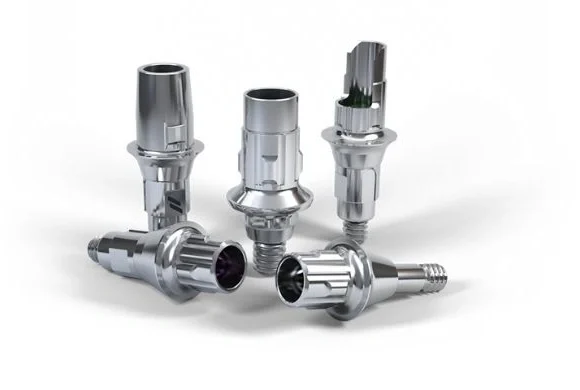
- The abutment: This connector piece attaches to the implant fixture and supports the crown above the gumline.
- The crown or prosthetic: This is the visible tooth-shaped restoration. It is custom-fabricated by the dental lab.
- Diagnostic and planning fees: X-rays, CBCT scans, and digital implant planning are often priced separately.
- Surgical fees: The oral surgeon or implant dentist charges for the placement procedure itself.
Therefore, the total dental implants cost is rarely a single flat fee. It is a combination of several professional services and lab components working together.
Dental Implants vs. Other Tooth Replacement Options
Patients often compare dental implants to other tooth replacement solutions. On the other hand, not all options offer the same long-term value. It is important to weigh short-term cost against long-term performance.
Implants vs. Dentures
Traditional removable dentures typically cost less upfront. However, they require adjustments over time and do not preserve jawbone. Moreover, many patients find them less comfortable and less convenient than fixed implant restorations.
Implant-supported dentures offer a middle ground. They provide more stability than traditional dentures while still being removable for cleaning. Additionally, they help maintain jawbone density over time.
Implants vs. Fixed Bridges
A traditional fixed bridge replaces a missing tooth without an implant. However, it requires grinding down the adjacent healthy teeth to support the bridge. As a result, more tooth structure is lost than necessary.
Implants, by contrast, stand independently. They do not affect neighboring teeth. Furthermore, they tend to last longer when properly maintained and supported by a well-fitted lab restoration.
How Dentists Can Manage Implant Costs for Their Patients
Dentists play an important role in helping patients navigate dental implants cost. Clear communication and proper case planning make a significant difference. Here are a few practical approaches dental professionals can use.
- Offer detailed treatment estimates that break down each component of the implant process.
- Discuss phased treatment options when full-arch work is needed but must be completed over time.
- Partner with a digital lab that provides consistent, high-quality restorations efficiently.
- Use digital implant planning to reduce surprises during surgery and improve overall case predictability.
- Educate patients on long-term value rather than just upfront cost.
Moreover, working with a reliable digital dental lab reduces remakes and delays. This ultimately saves both the dentist and the patient time and money.
Digital Implant Planning: A Game-Changer for Predictability
One of the most valuable tools in modern implant dentistry is digital implant planning. This process uses CBCT scan data and 3D software to map out the implant placement virtually. Therefore, the surgeon knows exactly where to place the implant before the procedure begins.
Additionally, digital planning supports the fabrication of surgical guides. These guides improve accuracy during placement. As a result, outcomes are more predictable and complications are less likely.
Dentek Digital offers digital implant planning as part of our advanced services. We work closely with dentists in Phoenix, Chandler, Mesa, Scottsdale, and surrounding communities to support successful implant cases from start to finish.
Frequently Asked Questions About Dental Implants Cost
Why do dental implants cost more than other tooth replacement options?
Dental implants involve a surgical procedure, multiple specialized components, and custom lab fabrication. Furthermore, they are designed to last for many years with proper care. The higher upfront investment often reflects greater long-term value.
Does dental insurance cover the cost of implants?
Coverage varies widely by insurance plan. Some plans cover a portion of the crown or restorative component. However, many plans do not cover the surgical placement of the implant fixture. Patients should always verify their specific benefits before beginning treatment.
How does the dental lab affect the overall quality of an implant restoration?
The lab fabricates the crown, bridge, or prosthetic that sits on the implant. Therefore, the quality of the lab’s work directly affects fit, aesthetics, and longevity. A digital lab using CAD/CAM technology delivers more precise restorations than traditional methods alone.
Can the type of material used affect dental implants cost?
Yes. Different materials carry different costs. Zirconia, for example, is highly durable and aesthetic but may cost more than other options. Additionally, the complexity of the case influences which material is most appropriate.
How long do dental implants last?
With proper care, dental implants can last many years — often decades. The implant fixture itself is typically very long-lasting. However, the crown on top may eventually need replacement depending on wear and maintenance. Regular dental visits support long-term implant success.
Partner With a Trusted Digital Dental Lab
Understanding dental implants cost involves more than comparing price tags. It means evaluating the full picture — from treatment planning and surgical precision to the quality of the final restoration.
At Dentek Digital, we help dental professionals across Phoenix, Mesa, Tempe, Gilbert, Scottsdale, and the Greater Phoenix area deliver exceptional implant outcomes. Our digital CAD/CAM workflow ensures that every restoration we fabricate meets the highest standards of fit, function, and aesthetics.
Moreover, we offer advanced services like digital implant planning and TattooTH that help practices stand out and provide better patient experiences. We combine cutting-edge technology with skilled craftsmanship on every case we handle.
Ready to elevate your implant restorations? Contact Dentek Digital today and let our team support your next implant case with precision-driven digital lab solutions.