
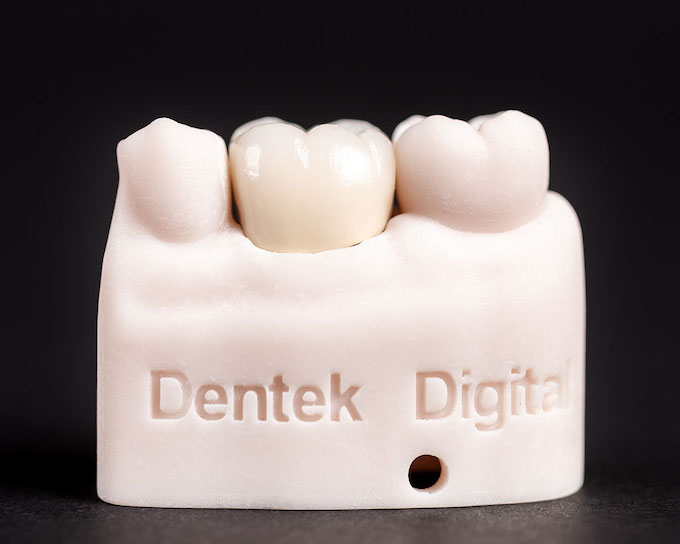
Understanding dental implants cost is one of the first things patients ask when they explore tooth replacement options. The answer is rarely simple. Many factors influence the final price, from the number of implants needed to the complexity of each case.
However, one thing is clear: the quality of the final restoration matters enormously. A well-fabricated implant crown or bridge can last for decades. A poorly made one may fail early and cost more to fix.
At Dentek Digital, we work with dentists and dental practices across the Greater Phoenix area — including Mesa, Scottsdale, Gilbert, and Chandler — to deliver precise, CAD/CAM-fabricated implant restorations. In this post, we break down what drives dental implant costs and how digital dentistry improves outcomes for patients everywhere.
What Factors Influence Dental Implants Cost?
Dental implant pricing is not one-size-fits-all. Several variables come into play for every case. Understanding these factors helps both patients and dental providers set realistic expectations.
The Number of Implants
A single-tooth implant costs less than a full-arch solution. Additionally, multiple implants may require more planning, more surgical time, and more lab work. Therefore, the total number of implants placed is one of the biggest cost drivers.
Furthermore, some patients need implant-supported bridges rather than individual crowns. These restorations require more complex fabrication and careful design to ensure proper fit and function.
The Type of Restoration
The implant itself is only part of the equation. The restoration placed on top — the crown, bridge, or full-arch prosthesis — adds significant cost. Moreover, the material chosen for the restoration affects both the price and the final result.
For example, full-contour zirconia crowns offer outstanding strength and aesthetics. They are a popular choice for implant restorations because of their durability and lifelike appearance. On the other hand, layered porcelain restorations may offer different aesthetic advantages depending on the clinical situation.
Bone Grafting and Preparatory Procedures
Some patients require bone grafting before implant placement. This happens when there is not enough bone density to support an implant. As a result, the overall treatment cost increases.
In addition, sinus lifts and other preparatory procedures may be necessary in certain cases. These add surgical time and material costs to the overall treatment plan.
The Dental Provider and Geographic Location
Provider experience, practice overhead, and local market conditions all affect pricing. Meanwhile, the dental lab used to fabricate the restoration also plays a role. A high-quality digital lab like Dentek Digital uses advanced CAD/CAM technology to produce precise restorations — and that precision has real value in the long run.
Why Digital Dentistry Matters for Implant Restorations
Digital dentistry has changed how implant restorations are designed and fabricated. Traditional methods relied heavily on manual processes. Today, CAD/CAM technology allows labs to create restorations with exceptional accuracy.
Because of this, dentists and their patients benefit from better-fitting crowns, faster turnaround times, and more predictable outcomes. Dentek Digital was one of the earliest adopters of the digital CAD/CAM workflow in the country. We bring that expertise to every implant case we receive.
CAD/CAM Technology Explained
CAD/CAM stands for Computer-Aided Design and Computer-Aided Manufacturing. In simple terms, it means the restoration is designed on a computer and milled or 3D-printed by a machine. This process removes much of the guesswork from restoration fabrication.
As a result, the fit is more precise. The margin — the edge where the crown meets the implant abutment — is tighter. Furthermore, fewer adjustments are needed at the delivery appointment, which saves the dentist time and improves the patient experience.
Digital Implant Planning
Dentek Digital also offers advanced digital implant planning services. This process uses 3D imaging and software to map out implant placement before surgery. Therefore, the surgical team can place implants in the most ideal position for the final restoration.
This planning step improves both the surgical outcome and the quality of the prosthetic result. Additionally, it reduces the risk of complications and the need for costly revisions later.
How Dental Labs Affect the Overall Cost and Quality
Many patients — and even some providers — underestimate the role the dental lab plays in implant treatment. However, the lab is where the visible part of the implant is actually made. A skilled lab with the right technology produces better restorations.
Moreover, a reliable lab partnership helps dentists work more efficiently. When the lab delivers accurate, high-quality work consistently, the dentist spends less time on adjustments. That efficiency benefits the entire practice and ultimately the patient.
What to Look for in a Dental Lab Partner
Dental practices in Phoenix, Scottsdale, Mesa, and Chandler should look for a few key qualities in a lab partner. First, the lab should use current digital technology for design and fabrication. Next, it should have a strong track record with implant cases specifically.
Then, turnaround time matters. A lab that delivers quickly and accurately helps practices run smoothly. Finally, communication is essential. A lab team that responds promptly and collaborates well is an asset to any dental practice.
Implant Restoration Options at Dentek Digital
Dentek Digital fabricates a full range of implant restorations for dentists across the Greater Phoenix area. Our offerings cover a wide variety of clinical needs and patient situations.
- Implant Crowns: Single-tooth replacements designed for optimal fit and aesthetics.
- Implant-Supported Bridges: Multi-unit restorations anchored by implants for span replacements.
- Full-Arch Implant Prostheses: Complete arch solutions for patients who have lost most or all of their teeth.
- Custom Abutments: Precisely designed abutments that support the ideal emergence profile for the crown.
- TattooTH: Our advanced full-arch implant solution that combines strength, aesthetics, and digital precision.
In addition, we offer digital implant planning to support the surgical phase of treatment. This end-to-end approach helps dentists deliver better results from start to finish.
Tips for Dental Practices Considering Digital Implant Workflows
Transitioning to a fully digital implant workflow can feel overwhelming. However, the right lab partner makes the process far more manageable. Here are a few practical tips for dental practices in the Phoenix metro area.
- Start with digital impressions. Intraoral scanners eliminate the mess and inaccuracy of traditional impression materials. They also make it easier to send cases digitally to the lab.
- Communicate treatment goals clearly. The more information the lab has, the better the result. Include shade information, emergence profile preferences, and occlusal considerations.
- Use digital planning for complex cases. For full-arch or multi-implant cases, planning software reduces risk and improves accuracy significantly.
- Choose a lab that specializes in implants. Not every lab has deep expertise in implant prosthetics. Working with a specialist like Dentek Digital makes a real difference.
- Review cases collaboratively. A strong lab-practice relationship includes open communication about outcomes and adjustments.
Practices in Gilbert, Tempe, Chandler, and across the Phoenix valley are already seeing the benefits of digital implant workflows. Furthermore, patients notice the difference in fit, comfort, and aesthetics when restorations are fabricated digitally.
Frequently Asked Questions About Dental Implants Cost
What is the biggest factor in dental implants cost?
The number of implants and the type of restoration needed are usually the biggest cost drivers. Additionally, preparatory procedures like bone grafting can add significantly to the total investment.
Does the dental lab affect the cost of an implant restoration?
Yes. The lab fabricates the visible restoration placed on the implant. Higher-quality labs using advanced digital technology may charge more. However, the investment typically pays off in better fit, longer-lasting results, and fewer remakes.
How does CAD/CAM technology improve implant restorations?
CAD/CAM technology allows for highly precise design and fabrication. As a result, restorations fit better, require fewer adjustments, and tend to last longer. It also enables faster turnaround times for dental practices.
What is digital implant planning, and is it worth it?
Digital implant planning uses 3D imaging software to map out implant placement before surgery. Therefore, the implant is placed in the ideal position for the final restoration. For complex cases especially, this planning step can prevent costly complications.
Can dental practices in the Greater Phoenix area work with Dentek Digital?
Absolutely. Dentek Digital partners with dental practices throughout the Phoenix metro area, including Scottsdale, Mesa, Gilbert, Chandler, and Tempe. We fabricate high-quality digital restorations and provide hands-on support for implant cases of all complexity levels.
Partner with Dentek Digital for High-Quality Implant Restorations
Understanding dental implants cost means looking beyond the price tag. The quality of the restoration, the technology behind it, and the expertise of the lab all matter. A well-made implant crown or prosthesis is an investment that benefits the patient for years to come.
Dentek Digital is recognized as a national leader in digital dentistry. We combine advanced CAD/CAM technology with skilled craftsmanship to deliver restorations that dentists and their patients can trust. Moreover, our team is committed to supporting better outcomes across the Greater Phoenix community.
If you are a dental practice looking to elevate your implant workflow, we are here to help. Contact Dentek Digital today to send us a case or discuss how we can support your practice with precision digital restorations.