
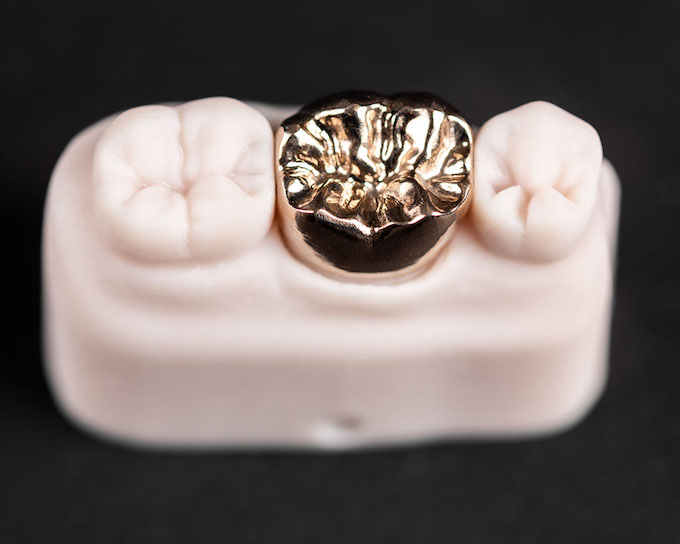
Understanding dental implants cost is one of the first steps patients take when exploring tooth replacement options. Whether you are a dentist educating your patients or a practice evaluating implant workflows, cost transparency matters. Because of this, it helps to understand what drives pricing and what supports long-term value.
Dental implants involve multiple components and multiple providers. Therefore, the total investment reflects far more than a single procedure. From the surgical placement to the final restoration, each step contributes to the overall cost.
At Dentek Digital, we fabricate high-quality implant restorations for dental practices across the Greater Phoenix, Arizona area. We partner with dentists in communities like Mesa, Chandler, Scottsdale, and Tempe to deliver precision CAD/CAM restorations that support excellent patient outcomes.
What Makes Up the Total Cost of Dental Implants?
Dental implant treatment is not a single-line expense. Instead, it involves several distinct components. Each one carries its own cost, and together they determine the total investment.
The Implant Fixture
The implant fixture is the titanium post that a surgeon places into the jawbone. This component acts as the artificial tooth root. Additionally, the brand and material quality of the fixture can influence overall pricing.
The Abutment
The abutment connects the implant fixture to the final restoration. It sits above the gumline and supports the crown. Furthermore, abutments can be stock or custom-milled, and custom options often provide a better fit.
The Implant Crown
The crown is the visible portion of the restoration. It restores the natural look and function of the missing tooth. Moreover, the material chosen — such as zirconia or porcelain — affects both aesthetics and cost.
Additional Procedures
Some patients require preparatory work before implant placement. For example, bone grafting or sinus lifts may be necessary. As a result, these additional procedures add to the overall treatment cost.
Factors That Influence Dental Implants Cost
Several variables affect what a patient ultimately pays for dental implants. Understanding these factors helps dentists set clear expectations with their patients.
Geographic Location
Location plays a significant role in implant pricing. In markets like Palo Alto, California, overhead costs for dental practices tend to be higher. Therefore, patients in high-cost-of-living areas often pay more than those in other regions.
In the Greater Phoenix, Arizona area — including Scottsdale, Gilbert, and Tempe — patients may find more competitive pricing. However, quality should always take priority over cost alone.
The Restorative Material
Zirconia crowns are among the most popular choices for implant restorations today. They offer excellent strength and a natural appearance. Additionally, high-quality materials processed through advanced CAD/CAM workflows tend to deliver more predictable outcomes.
The Dental Lab’s Role
The dental laboratory that fabricates the crown and abutment directly impacts the quality of the final restoration. A digital dental lab using precision CAD/CAM technology produces more accurate and consistent results. Because of this, the lab you choose matters just as much as the clinical team.
At Dentek Digital, we were among the earliest adopters of the digital CAD/CAM workflow in the country. Our implant restorations are fabricated with exacting precision to support the best possible clinical outcomes.
Single Implant vs. Multiple Implants
A single-tooth implant involves one fixture, one abutment, and one crown. On the other hand, full-arch restorations like implant-supported bridges involve significantly more components. Therefore, the scope of treatment directly affects total cost.
Why Quality Matters More Than the Lowest Price
It can be tempting to focus on the lowest price when evaluating implant options. However, cutting corners on materials or lab quality often leads to complications. As a result, patients may face additional costs down the road.
The Cost of a Failed Restoration
A poorly fitting crown or a low-quality abutment can cause bone loss, soft tissue problems, or implant failure. These outcomes require additional treatment. Furthermore, they cause unnecessary discomfort and lost confidence for the patient.
Precision Fabrication Reduces Chairtime
When a dental lab delivers an accurately milled restoration, it fits well from the start. This reduces the time a dentist spends on adjustments. Additionally, it creates a better experience for the patient in the chair.
Dental practices in Mesa, Chandler, and throughout the Greater Phoenix area trust Dentek Digital because our restorations arrive ready to deliver. We combine advanced digital technology with skilled craftsmanship to support efficient, predictable workflows.
How CAD/CAM Technology Affects Implant Restorations
CAD/CAM stands for Computer-Aided Design and Computer-Aided Manufacturing. This technology allows dental labs to design and mill restorations with exceptional accuracy. Moreover, it enables faster turnaround times without sacrificing quality.
Digital Implant Planning
Advanced digital workflows now include implant planning software. This allows the surgical and restorative teams to collaborate before treatment begins. As a result, the placement and final restoration are designed to work together from day one.
Dentek Digital offers digital implant planning as part of our advanced services. This helps dentists in the Greater Phoenix area deliver more predictable, well-coordinated implant cases.
Screw-Retained vs. Cement-Retained Restorations
CAD/CAM technology supports both screw-retained and cement-retained implant restorations. Screw-retained designs allow for easier retrieval if needed. Meanwhile, cement-retained options may offer certain aesthetic advantages depending on the case.
Your dental lab should be able to fabricate both options with precision. Furthermore, the lab technician should communicate clearly with the clinical team about which option best suits each case.
What Dentists Should Consider When Evaluating Implant Lab Partners
Choosing the right dental laboratory is a critical decision for any dental practice. The lab partner you work with directly affects your clinical results and your patients’ satisfaction.
Technology and Workflow
First, evaluate the technology the lab uses. Does the lab work with a fully digital workflow? Additionally, does the lab offer digital scanning, milling, and implant planning services? These capabilities support more consistent results.
Communication and Support
Next, consider how the lab communicates with your practice. A responsive lab team saves time and helps resolve questions quickly. Moreover, a lab that understands your clinical goals can better support your outcomes.
Turnaround Time
Finally, turnaround time matters for patient scheduling and practice efficiency. A reliable lab delivers restorations on time, every time. Because of this, your practice can maintain predictable appointment scheduling and reduce delays.
Dentek Digital serves dental practices across Greater Phoenix — including communities like Tempe, Gilbert, Scottsdale, and Mesa. We offer streamlined case submission and reliable turnaround to support your practice workflow.
Frequently Asked Questions About Dental Implants Cost
Why does dental implants cost vary so much between providers?
Pricing varies because implant treatment involves multiple components and providers. The surgeon, the lab, the materials, and the location all contribute. Therefore, no two cases carry identical costs.
Does a higher-priced implant restoration mean better quality?
Not always. However, extremely low prices often reflect lower-grade materials or less precise fabrication. As a result, evaluating the lab’s technology and reputation is more reliable than price alone.
How does the dental lab affect the overall cost of implants?
The lab fabricates the crown and abutment, which are key components of the restoration. A high-quality digital lab uses precise milling and premium materials. Additionally, accurate restorations reduce chairtime and adjustment costs for the dentist.
What materials are most commonly used for implant crowns?
Zirconia is the most widely used material for implant crowns today. It offers excellent durability and natural aesthetics. Furthermore, it performs well in both anterior and posterior positions.
Can a dental practice in Phoenix work with a lab that serves patients in other states?
Yes. Many dental labs, including Dentek Digital, work with practices across the country. However, our primary focus is serving dental practices across the Greater Phoenix, Arizona area with fast, reliable service.
Partner With a Digital Dental Lab That Delivers
Dental implants represent one of the most significant investments a patient can make in their oral health. Therefore, every component of the restoration must meet the highest standard of quality and precision.
At Dentek Digital, we fabricate implant restorations using advanced CAD/CAM technology and premium materials. We support dental practices throughout Greater Phoenix — including Mesa, Chandler, Scottsdale, Tempe, and Gilbert — with reliable, high-quality lab work.
We are a nationally recognized leader in digital dentistry and one of the earliest adopters of the digital workflow in the country. Our team combines technology with skilled craftsmanship to deliver restorations you and your patients can count on.
Ready to elevate your implant workflow? Contact Dentek Digital today to send us a case and experience the difference a true digital dental lab makes.