
Finding the right dental implant specialist can make a significant difference in patient outcomes. Whether you are a dentist exploring implant solutions or a practice expanding your services, understanding the full implant workflow matters. Additionally, knowing how your dental lab supports that process is just as important.
At Dentek Digital, we partner with dental professionals across the Greater Phoenix area. We support practices in cities like Mesa, Scottsdale, Tempe, and Chandler. Furthermore, our digital CAD/CAM workflow helps dentists deliver implant restorations with confidence and precision.
In this post, we break down what a dental implant specialist does. We also explain how a digital dental lab fits into that picture. Finally, we share practical insights for dental practices looking to improve their implant workflow.
What Does a Dental Implant Specialist Do?
A dental implant specialist focuses on the surgical and restorative phases of implant treatment. They evaluate bone density, plan the implant position, and place the implant fixture. Moreover, they work closely with the restorative dentist and the dental lab throughout the process.
Implant treatment involves multiple steps. First, the specialist assesses the patient’s anatomy. Next, they plan the implant placement using digital imaging or cone beam CT scans. Then, after healing, the restorative phase begins — and that is where the dental lab plays a critical role.
The Restorative Phase and the Dental Lab
The restorative phase is where the implant crown, bridge, or full-arch restoration is fabricated. A skilled dental lab technician uses digital design tools to create a precise restoration. As a result, the fit, function, and aesthetics of the final piece are far more predictable.
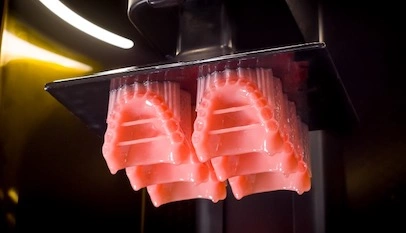
At Dentek Digital, we use advanced CAD/CAM technology to design and mill implant restorations. This technology allows us to work from digital scans rather than traditional impressions. Therefore, the process is faster, cleaner, and more accurate for dental practices across Phoenix and beyond.
Why CAD/CAM Technology Matters in Implant Dentistry
CAD/CAM stands for Computer-Aided Design and Computer-Aided Manufacturing. In dental implant cases, this technology transforms how restorations are planned and fabricated. Additionally, it reduces the margin for error that can occur with manual techniques.
Dentek Digital was one of the earliest CAD/CAM adopters in the country. Because of this, our team has built deep expertise in digital implant workflows. We understand the nuances of implant-retained restorations and how to deliver reliable results every time.
Benefits of a Digital Implant Workflow
- Improved precision: Digital scans capture fine details that traditional impressions can miss.
- Faster turnaround: CAD/CAM milling reduces production time significantly.
- Better communication: Digital files are easy to share and review with the dental team.
- Consistent quality: Automated milling produces highly consistent restorations.
- Material flexibility: Digital labs can work with zirconia, PEEK, titanium, and more.
For dental practices in Scottsdale, Gilbert, or Tempe, these advantages translate into better patient experiences. Moreover, they support smoother case management from start to finish.
Implant Planning: A Critical Step in Every Case
Digital implant planning has changed how specialists approach complex cases. However, many dental practices still underestimate its value. Planning before surgery reduces risk and improves outcomes for both the clinician and the patient.
At Dentek Digital, we offer advanced digital implant planning services. Our team works directly with the dentist to review CBCT data and design the surgical guide. Therefore, the implant is placed in the ideal position for the final restoration from the very beginning.
Surgical Guides and Guided Implant Placement
A surgical guide is a custom device that directs the implant drill to the planned position. It is designed from digital scans and planning software. As a result, the surgeon has a precise roadmap before making the first incision.
Guided placement reduces guesswork during surgery. Furthermore, it helps protect critical anatomy like nerves and sinuses. For practices in Chandler or Mesa seeking to offer more predictable implant cases, surgical guides are a smart investment.
Full-Arch Implant Restorations: What Dental Labs Need to Know
Full-arch restorations — sometimes called All-on-4 or implant-supported dentures — require exceptional lab support. These cases are complex and demand precise digital fabrication. Additionally, the materials used must balance strength, aesthetics, and long-term durability.
Dentek Digital fabricates full-arch restorations using premium materials and digital workflows. We understand the high stakes of these cases for both the patient and the dentist. Therefore, we approach each full-arch case with the same level of care and craftsmanship as a single-unit crown.
Materials We Use for Implant Restorations
Material selection is a key decision in implant cases. The right material depends on the location, bite forces, and patient preferences. However, digital fabrication gives us greater control over material performance.
- Zirconia: High strength and excellent aesthetics for single units and bridges.
- PEEK: Lightweight and flexible, often used in full-arch temporaries.
- Titanium frameworks: Strong and biocompatible for complex cases.
- Acrylic hybrids: A cost-effective option for full-arch cases with good aesthetics.
Our team in Phoenix works with your case specifications to recommend the best material. Moreover, we ensure the final restoration meets your clinical requirements and your patient’s expectations.
How Dentek Digital Supports Dental Implant Specialists
We are more than just a fabrication lab. Dentek Digital is a true clinical partner for dental implant specialists and restorative dentists. Because of this, we are deeply invested in the success of every case we receive.
Our team brings years of hands-on experience with implant-retained restorations. Additionally, we stay current with the latest advancements in digital dentistry. This means your practice benefits from cutting-edge techniques without having to manage the technology yourself.
TattooTH: Advanced Implant Identification Technology
Dentek Digital also offers TattooTH, an innovative service that embeds a unique identifier inside the dental restoration. This allows for easy identification of restorations in clinical and forensic settings. Furthermore, it adds a layer of professionalism and traceability to your implant cases.
TattooTH is just one example of how we go beyond basic lab services. We are constantly exploring new ways to support dental professionals. As a result, our partners in Phoenix, Scottsdale, and the surrounding communities benefit from truly modern lab support.
Sending a Case to Dentek Digital
Our case submission process is simple and streamlined for busy dental practices. You can send digital scans, prescriptions, and case notes directly to our team. Additionally, we offer guidance on scan requirements and restoration specifications at every step.
We work with all major intraoral scanner formats. Therefore, you do not need to change your current workflow to partner with us. Our goal is to make the process as smooth as possible for your practice and your patients.
Frequently Asked Questions About Dental Implant Specialists and Lab Support
What is the role of a dental lab in implant cases?
The dental lab fabricates the final restoration that attaches to the implant. This includes crowns, bridges, and full-arch prosthetics. A high-quality lab ensures the restoration fits accurately and looks natural.
How does digital scanning improve implant restorations?
Digital scans capture precise 3D data of the implant site. As a result, the lab can design a restoration with a more accurate fit. This reduces the need for adjustments at the time of delivery.
What materials are best for implant-supported crowns?
Zirconia is one of the most popular choices for implant crowns. However, the best material depends on the location, aesthetic demands, and clinical conditions. Your dental lab can help guide that decision.
Can a general dentist work with a dental implant specialist on the same case?
Yes. Many implant cases involve a surgical specialist and a restorative dentist working together. The dental lab supports both by fabricating surgical guides, temporaries, and final restorations throughout the case.
How does Dentek Digital handle full-arch implant cases?
We use a fully digital workflow to design and fabricate full-arch restorations. Our team reviews the case details and recommends materials based on clinical needs. Moreover, we work closely with the dental team to ensure the final result meets expectations.
Partner With a Digital Dental Lab That Understands Implants
Implant dentistry demands precision at every stage. Therefore, choosing a dental lab with deep CAD/CAM expertise is essential for consistent results. Dentek Digital has been a national leader in digital dentistry since the earliest days of the digital workflow.
We serve dental practices throughout the Greater Phoenix area, including Mesa, Tempe, Chandler, Gilbert, and Scottsdale. Additionally, our digital-first approach means we can support dental teams efficiently and reliably. We are committed to helping you deliver the best possible outcomes for your implant patients.
If you are ready to elevate your implant restoration workflow, contact Dentek Digital today. Our team is here to answer your questions, review your cases, and help your practice grow with confidence.