
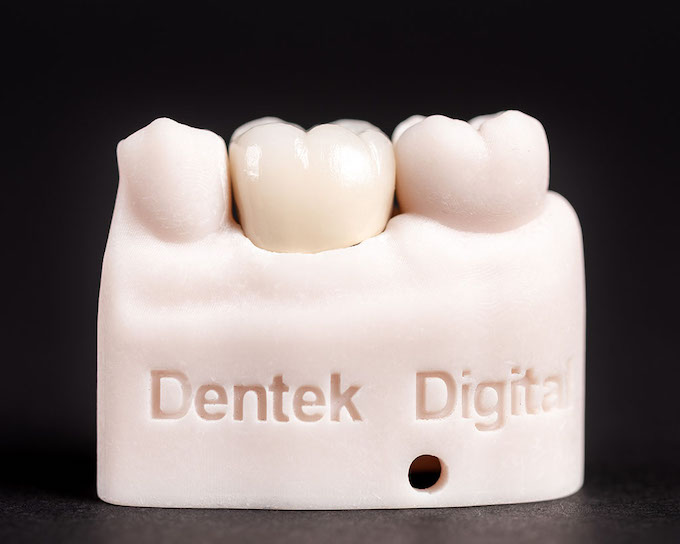
Finding the right dental implant specialist is one of the most important decisions a patient can make. Dental implants are a long-term investment in oral health and quality of life. Therefore, understanding what goes into a high-quality implant restoration matters — both for patients and the dental professionals who serve them.
While Dentek Digital is proudly based in Phoenix, Arizona, our expertise in digital implant technology reaches dental practices across the country. We work with dentists who want precise, reliable restorations backed by advanced CAD/CAM workflows. Additionally, our team understands what it takes to support implant cases at every stage of the process.
In this post, we explore what a dental implant specialist does, how digital dentistry improves implant outcomes, and how labs like Dentek Digital support the process from start to finish.
What Does a Dental Implant Specialist Do?
A dental implant specialist focuses on the surgical and restorative process of replacing missing teeth. They evaluate bone density, gum health, and overall oral anatomy. Because of this, they are trained to handle complex cases that general dentists may refer out.
Specialists often include oral surgeons, periodontists, and prosthodontists. Each brings a different skill set to the implant process. However, all of them rely on precise components and restorations to achieve the best results for their patients.
The Surgical Phase
During the surgical phase, the specialist places a titanium post into the jawbone. This post acts as the root of the new tooth. Furthermore, proper placement is critical — it affects how the final restoration fits, looks, and functions.
Digital planning tools have transformed this phase significantly. Next, specialists can use 3D imaging and digital implant planning software to map out placement before the procedure begins. As a result, the process becomes more predictable and efficient.
The Restorative Phase
After the implant integrates with the bone, the restorative phase begins. This is where the dental lab plays a major role. The specialist works with a lab to fabricate a crown, bridge, or other prosthetic that connects to the implant.
Meanwhile, the quality of that restoration determines how well the implant performs over time. A well-fabricated crown fits precisely, looks natural, and withstands daily wear. Therefore, the lab’s capabilities matter just as much as the specialist’s skill.
How CAD/CAM Technology Elevates Implant Restorations
CAD/CAM stands for Computer-Aided Design and Computer-Aided Manufacturing. In simple terms, it means restorations are designed digitally and milled or printed by machines. This approach removes much of the guesswork from traditional lab work.
Dentek Digital was one of the earliest adopters of CAD/CAM workflows in the country. Our Phoenix lab uses this technology every day to fabricate implant crowns, abutments, and full-arch restorations. Additionally, our digital process ensures consistency across every case we handle.
Precision Fitting With Digital Workflows
One of the biggest advantages of CAD/CAM technology is accuracy. Digital scans capture the exact dimensions of a patient’s mouth. Furthermore, the design software accounts for bite, spacing, and implant angulation.
As a result, the finished restoration fits more precisely than many traditionally fabricated options. This reduces the need for adjustments at delivery. In addition, it shortens chair time for both the dentist and the patient.
Material Options for Implant Crowns
Digital labs like Dentek Digital offer a wide range of materials for implant restorations. Common choices include:
- Zirconia: Extremely strong and tooth-colored. Ideal for posterior implants that need durability.
- Lithium disilicate: Highly aesthetic. Often used for anterior implants where appearance is a priority.
- PFM (Porcelain-fused-to-metal): A traditional option still used in certain cases.
- Full-contour crowns: Milled from a single block for strength and simplicity.
Choosing the right material depends on the location of the implant, the patient’s bite, and aesthetic goals. Therefore, communication between the dental specialist and the lab is essential at this stage.
Digital Implant Planning: A Game-Changer for Specialists
Digital implant planning is one of the most powerful tools available to modern implant specialists. It uses CBCT scans and digital software to plan the exact position of each implant. Moreover, it allows the entire team — surgeon, restorative dentist, and lab — to collaborate before the patient ever enters the chair.
At Dentek Digital, we offer digital implant planning as part of our advanced services. Our Phoenix-based team works with dental practices across Arizona, including those in Scottsdale, Mesa, Tempe, and Chandler. We help dentists visualize the final restoration before surgery even begins.
Surgical Guides and Their Role
One key output of digital implant planning is a surgical guide. This is a custom appliance that fits over the patient’s teeth or gums. It directs the surgeon to place the implant in the exact planned position.
Surgical guides improve accuracy significantly. Additionally, they reduce operative time and help avoid critical structures like nerves and sinus cavities. As a result, both the specialist and the patient benefit from a safer, more predictable procedure.
From Plan to Prosthetic
When planning and fabrication happen in the same digital workflow, efficiency improves dramatically. The lab receives the scan data, designs the restoration, and mills or prints it to spec. Furthermore, the final prosthetic aligns with the planned implant position from the start.
This seamless process is something Dentek Digital has refined over years of digital practice. We combine technology with skilled craftsmanship to deliver restorations that dentists and their patients can rely on.
Supporting Implant Specialists With Full-Arch Solutions
Full-arch implant cases — such as All-on-4 or All-on-X — require exceptional lab support. These cases involve replacing an entire arch of teeth with implant-supported prosthetics. Therefore, precision and communication are even more critical.
Dentek Digital fabricates full-arch solutions for dental practices across the Greater Phoenix area and beyond. Our team handles the digital design, material selection, and milling of these complex restorations. In addition, we offer tiered options to match different clinical and patient needs.
Immediate Load vs. Final Prosthetics
Many full-arch cases involve two stages of prosthetics. First, the patient receives a temporary prosthetic immediately after surgery. Then, once healing is complete, the final restoration is placed.
Both stages require careful fabrication. The temporary prosthetic must function well during healing. Meanwhile, the final prosthetic must meet a higher standard for aesthetics and durability. Dentek Digital supports both phases with digital precision.
What Dentists Should Look for in a Dental Lab Partner
A dental implant specialist is only as effective as the lab supporting them. Choosing the right lab partner makes a meaningful difference in patient outcomes. Here are key qualities to consider:
- Digital workflow capabilities: The lab should work with intraoral scans and digital design software seamlessly.
- Implant system compatibility: The lab should support major implant brands and connection types.
- Communication: The lab should be responsive and proactive when questions arise.
- Turnaround time: Fast, reliable delivery helps your practice run smoothly.
- Quality consistency: Every case should meet the same high standard, not just occasional ones.
Dentek Digital checks every one of these boxes. Our Phoenix lab has built a reputation for quality and reliability among dental practices in Gilbert, Scottsdale, Mesa, and throughout the Greater Phoenix area.
TattooTH: Advanced Marking for Implant Prosthetics
One of our most innovative services is TattooTH — a proprietary solution that permanently marks dental prosthetics with patient identification information. For implant restorations specifically, this adds a layer of traceability and security.
TattooTH is applied during the fabrication process. Therefore, it does not affect the fit, function, or appearance of the restoration. Furthermore, it provides peace of mind for both patients and dental providers in cases of loss or emergency identification.
This kind of innovation reflects our broader commitment at Dentek Digital. We are always looking for ways to go beyond standard lab services and deliver added value to the practices we partner with.
Frequently Asked Questions About Dental Implant Specialists
What is the difference between an oral surgeon and a prosthodontist for implants?
An oral surgeon typically handles the surgical placement of the implant. A prosthodontist focuses on the restorative phase — designing and placing the crown or prosthetic. Additionally, some cases involve both specialists working together as a team.
How does a dental lab support the implant process?
The lab fabricates the actual restoration that attaches to the implant. This includes crowns, abutments, bridges, and full-arch prosthetics. Therefore, the lab’s precision directly affects how well the final result functions and looks.
What is digital implant planning, and why does it matter?
Digital implant planning uses 3D imaging to map the ideal implant position before surgery. It helps the specialist, restorative dentist, and lab align on the outcome in advance. As a result, the entire case becomes more predictable and efficient.
Can a general dentist place dental implants, or is a specialist required?
Some trained general dentists do place implants. However, complex cases often benefit from a specialist’s expertise. Furthermore, the restorative dentist and the lab must collaborate closely regardless of who performs the surgery.
How does Dentek Digital support implant cases for dental practices?
Dentek Digital offers digital implant planning, surgical guide fabrication, and a full range of implant restorations. We work with practices across Phoenix, Tempe, Chandler, and the surrounding areas. In addition, we provide fast turnaround and consistent quality on every case we accept.
Partner With Dentek Digital for Your Implant Cases
Dental implant cases demand the highest level of precision and collaboration. Whether you are a specialist placing hundreds of implants per year or a general dentist expanding into implant dentistry, the right lab partner makes all the difference.
Dentek Digital brings advanced CAD/CAM technology, digital implant planning, and skilled craftsmanship to every case. Furthermore, we are committed to supporting dental practices across the Greater Phoenix area with the quality restorations their patients deserve.
Ready to elevate your implant cases? Contact Dentek Digital today and let our team show you what a true digital dental lab partnership looks like.